
Digital-Marketing Trends You Can’t Ignore in 2025
Stay ahead in 2025 by embracing AI-driven strategies, voice search optimization, and hyper-personalized content in your digital marketing game.
Exclusive Features for Members
Key innovations shaping digital marketing success in 2025.

AI Personalization
Brands are using AI to deliver hyper-targeted content and product recommendations based on user behavior.

Voice Search Optimization
With smart assistants on the rise, optimizing for voice queries is crucial for visibility and engagement.

Short-Form Video Dominance
Platforms like TikTok, Instagram Reels, and YouTube Shorts continue to drive high engagement and brand recall.

Data-Driven Storytelling
Marketers are blending analytics with authentic narratives to build trust and emotional connection.
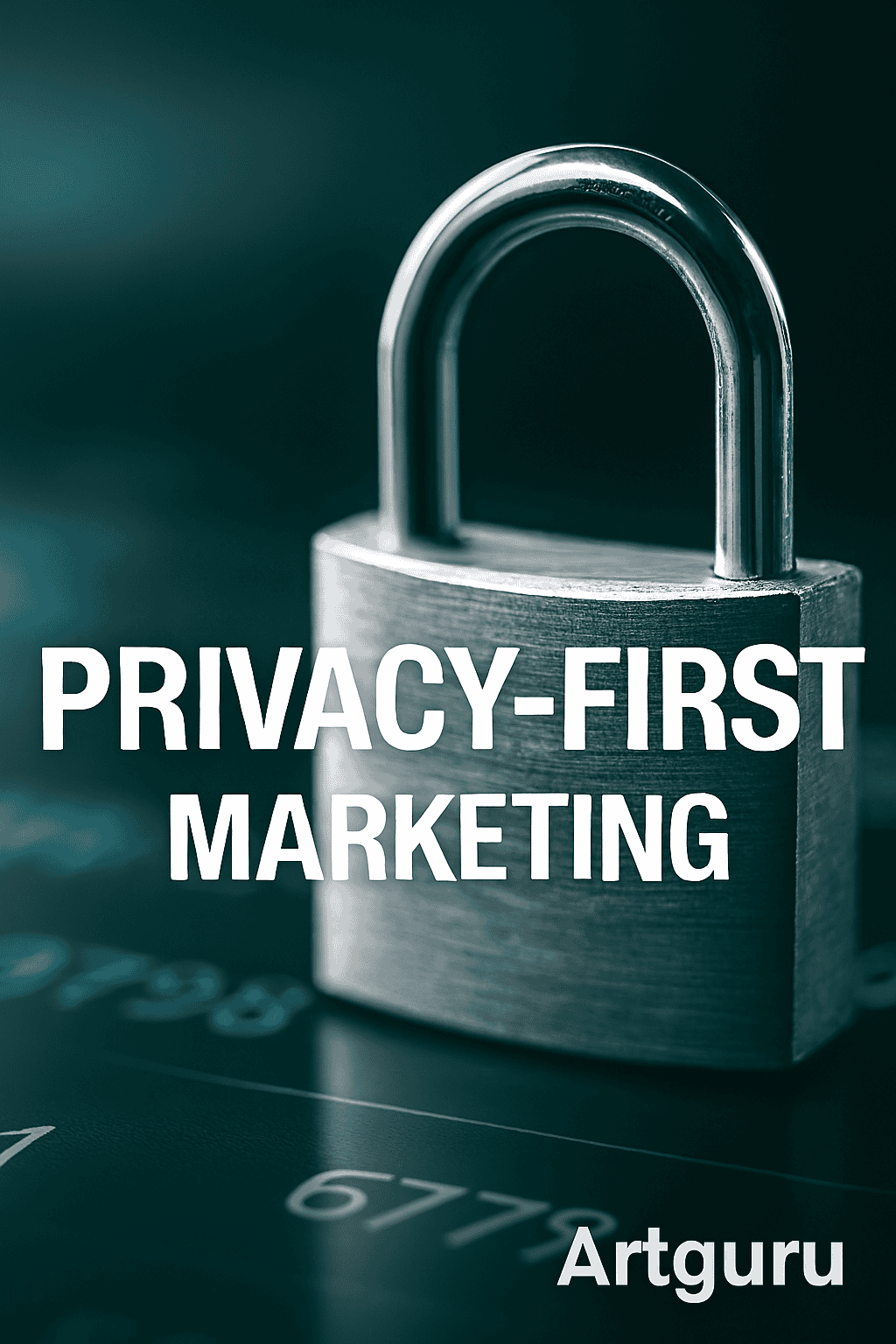
Privacy-First Marketing
With stricter data regulations, brands are adopting ethical data practices and transparent consent models.

Omnichannel Experience Mapping
Seamless integration across web, mobile, social, and offline touchpoints ensures consistent user journeys.
The Power of Smart Campaigns
Real-Time Optimization
Ad creatives, bids, and placements are adjusted dynamically based on performance data, saving time and boosting ROI.
AI-Driven Targeting</p> <p>
Smart campaigns use machine learning to identify and reach the most relevant audience segments automatically.
Cost Efficiency
Automated bidding and audience selection reduce ad spend waste and improve conversion rates.
Performance Insights
Built-in analytics help marketers understand what’s working and refine strategies without manual tracking.
Simplified Setup
Even non-experts can launch effective campaigns with guided workflows and minimal configuration.
Cross-Platform Reach
Smart campaigns seamlessly run across search, display, mobile, and video networks for broader visibility.
❌ DIGITAL MARKETING MISTAKES TO AVOID IN 2025
We focused too heavily on short-term ads and ignored SEO. Our organic traffic dropped by 60% in just three months.
We didn’t adapt to privacy-first policies fast enough. Our email campaigns lost reach due to outdated consent practices



Recent Comments